
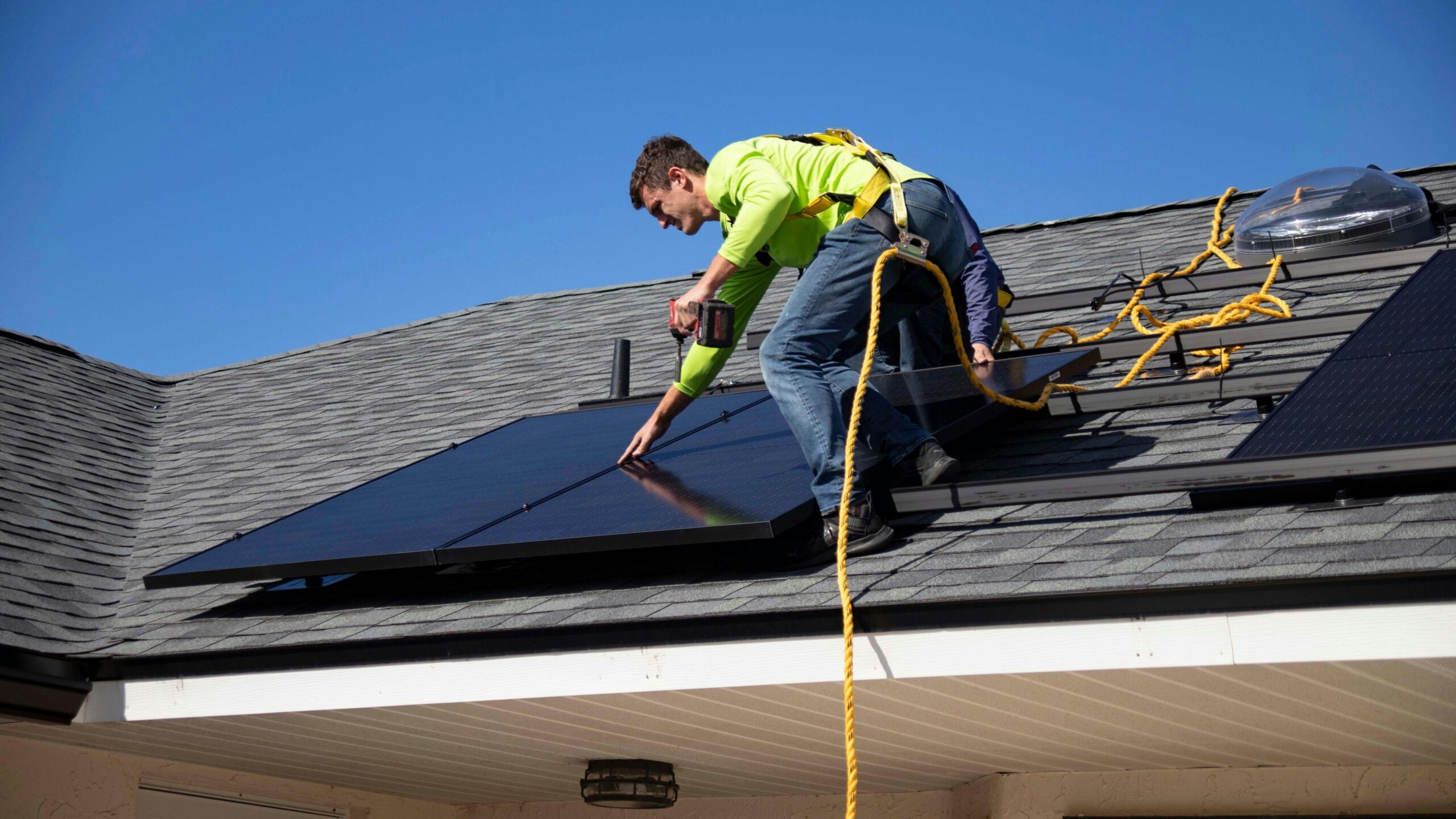
Solar energy is not only environmentally friendly but also offers significant economic benefits. However, to fully realize these advantages, it’s crucial to obtain an accurate quote for your solar panel installation. This guide will walk you through the essential information needed to ensure your quote is as precise and comprehensive as possible.
1. Property Information
- Address and Location: Provide the exact address to help installers assess local climate conditions, solar irradiance, and any specific regulations or incentives applicable in your area.
- Roof Details: Include information about the roof type (e.g., asphalt shingles, metal, tile), age, condition, and any recent repairs or reinforcements. Specify the pitch (angle) and orientation (direction) of the roof.
- Roof Size and Usable Area: Measure the total roof area and identify the portion suitable for solar panels. Include dimensions, taking into account obstructions like chimneys, vents, and skylights.
- Shading Analysis: Document any shading from trees, buildings, or other structures that could affect solar panel performance throughout the day and across different seasons.
2. Energy Consumption
- Historical Energy Usage: Provide at least 12 months of electricity bills to show your average monthly and annual energy consumption. Highlight any significant fluctuations or seasonal variations.
- Future Energy Needs: Consider any expected changes in energy usage, such as electric vehicle purchases, home expansions, or increased occupancy.
3. System Preferences
- System Size and Capacity: Indicate the desired size of the solar power system, usually expressed in kilowatts (kW). This is often based on your average energy consumption.
- Panel Type and Brand Preferences: Specify if you have preferences for certain types of solar panels (e.g., monocrystalline, polycrystalline) or brands based on efficiency, aesthetics, or warranties.
- Inverter Type: Decide between string inverters, microinverters, or power optimizers based on efficiency needs and system complexity.
- Battery Storage: Indicate if you are interested in adding battery storage to your system. Include desired capacity and preferred brands if applicable.
4. Installation and Financing
- Installation Timeline: Provide your preferred timeline for installation, including any deadlines or specific dates for project completion.
- Budget: Offer a rough estimate of your budget for the solar installation. This helps installers tailor their proposals to your financial constraints.
- Financing Options: Mention if you are looking for specific financing options, such as loans, leases, power purchase agreements (PPAs), or any incentives you plan to apply for (e.g., federal tax credit, state rebates).
5. Additional Considerations
- Aesthetic Preferences: Specify any aesthetic preferences, such as the color of the panels, how they are mounted, or any concerns about visibility from the street.
- Permits and Regulations: Be aware of local permitting requirements and zoning regulations. Providing this information helps installers anticipate any regulatory hurdles.
- Maintenance and Monitoring: Indicate if you want ongoing maintenance plans or monitoring systems to track the performance of your solar panels in real time.
Providing detailed and accurate information helps solar installers give you the most precise quote and ensures a smoother installation process tailored to your specific needs and preferences. By being thorough and proactive, you can maximize the benefits of your solar investment and enjoy the sustainable energy savings for years to come.
READY TO TALK TO SOMEONE?