Thinking about going solar? It’s a fantastic way to reduce your carbon footprint and slash your energy bills. But before you jump into the solar revolution, there are a few important things you need to consider. Making an informed decision can help you maximize the benefits and ensure you get the best system for your home.
Is Your Property Ready for Solar?
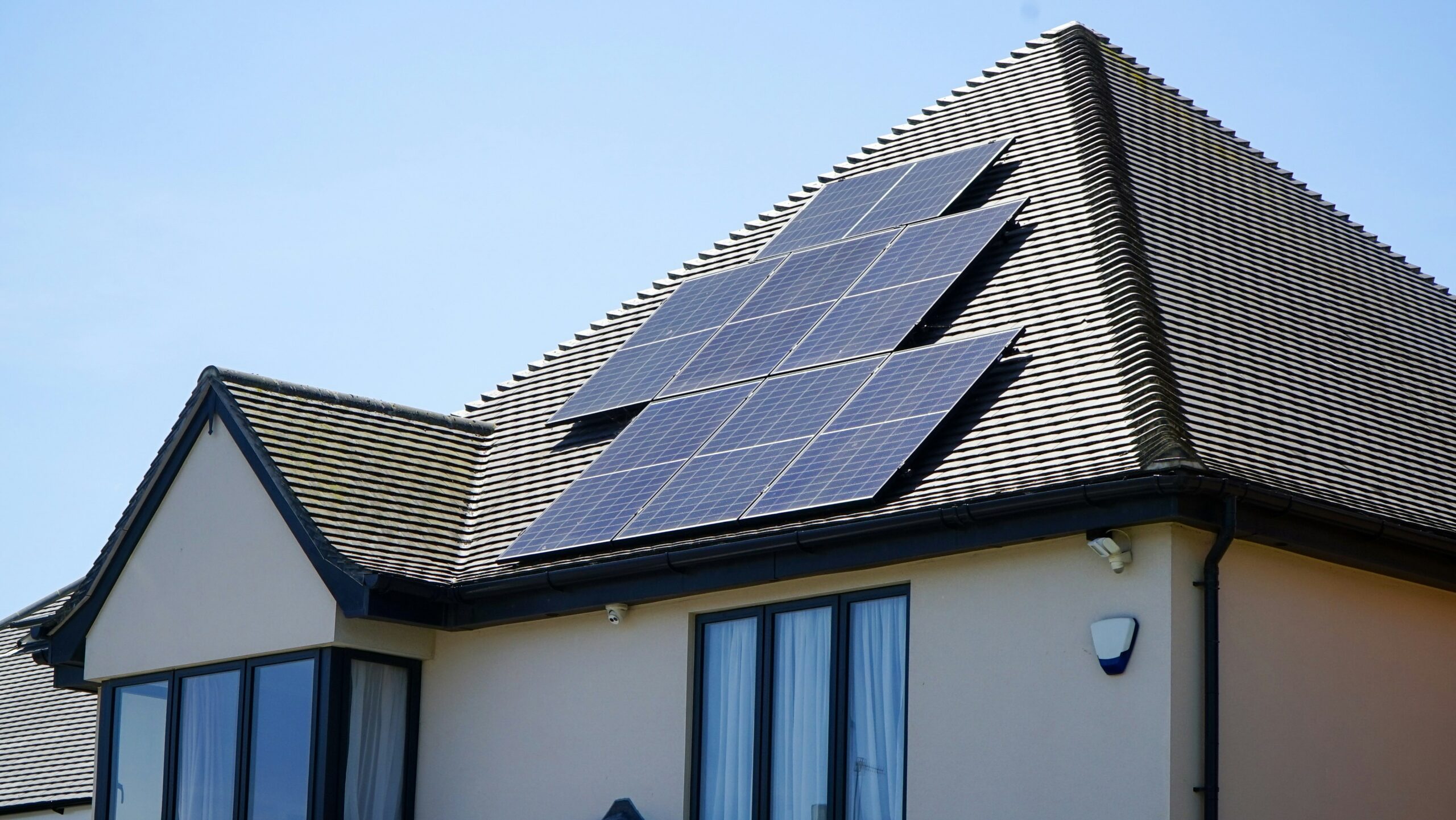
First things first, let’s talk about your home’s suitability for solar panels. The amount of sunlight your location gets plays a big role in how much energy your system can produce. Homes in sunny areas naturally generate more electricity, but even if you live in a place with less sunshine, solar can still work for you. The orientation and pitch of your roof are crucial here. Ideally, a south-facing roof with a slope around 30 degrees is perfect for catching the most sun. East or west-facing roofs can also be effective, though you might need more panels to match the energy output of a south-facing setup.
The type and condition of your roof matter too. Different roofing materials, like asphalt shingles, metal, or tile, have different levels of compatibility with solar panel mounting systems. A roof in good condition is key for the long-term success of your solar installation. If your roof is old or needs repairs, take care of those issues before adding solar panels to avoid future headaches and extra costs.
Understand Your Energy Consumption
Knowing your energy usage is essential for designing the right solar system for your needs. Look at your electricity bills over the past year to get a sense of your average energy consumption. This will help you figure out the size of the system you need. Also, consider any future changes in your energy needs. Are you planning on buying an electric vehicle or expanding your home? Such changes can increase your energy consumption, so your solar system should be sized to accommodate those future needs.
Financial Considerations
Solar systems can be a big investment, but there are plenty of financing options to help you out. Solar loans, leases, and power purchase agreements (PPAs) can spread out the costs. Each option has its own benefits and drawbacks, affecting your upfront costs, monthly payments, and long-term savings. Don’t forget about the various incentives available. The Federal Solar Investment Tax Credit (ITC) lets you deduct a significant portion of your installation costs from your federal taxes. Plus, many states offer additional rebates and incentives to make solar even more affordable.
Choosing the Right Equipment
Picking the right solar panels and inverters is another key step. Solar panels come in different types, like monocrystalline, polycrystalline, and thin-film. Monocrystalline panels are highly efficient and look sleek, but they’re more expensive. Polycrystalline panels are a bit cheaper but slightly less efficient. Thin-film panels are less common for homes due to their lower efficiency and larger space requirements.
Inverters, which convert the DC electricity generated by the panels into AC electricity for your home, also come in various types. String inverters, microinverters, and power optimizers each have unique benefits depending on your setup and shading conditions.
Shading and System Performance
Shading can significantly impact your system’s efficiency. Trees, buildings, or other structures that cast shadows on your panels can reduce their performance. Conducting a shading analysis helps identify potential issues and allows for strategic panel placement to minimize shading effects. Modern solutions like microinverters or power optimizers can help by allowing each panel to operate independently, boosting overall system performance.
Battery Storage: Is It Worth It?
Adding a battery to your solar system lets you store excess energy for use at night or during power outages. This enhances your energy independence and can provide significant savings, especially in areas with high electricity rates or frequent outages. Products like the Tesla Powerwall offer advanced features like seamless backup power and smart energy management, though they come with additional costs.
Permitting and Regulations
Local building codes, zoning laws, and homeowner association (HOA) guidelines can affect your solar installation. Navigating these can be tricky, but many solar installers handle the permitting process for you, ensuring everything complies with local regulations. Make sure your installer is experienced with local requirements to avoid any unnecessary delays or complications.
Aesthetics Matter
Modern solar panels are designed to be more visually appealing, with options like black-on-black panels that blend seamlessly with your roof. How the panels are mounted can also affect the overall look. Flush mounts provide a low-profile appearance, while tilt mounts might be necessary for optimal performance but can be more noticeable.
Long-Term Maintenance and Monitoring
Regular maintenance, like cleaning the panels and checking for damage, ensures your system operates efficiently. Many systems come with monitoring software that lets you track energy production in real-time, providing valuable insights into performance and potential issues. Keeping an eye on your system helps maintain its efficiency and extend its lifespan.
Making the Smart Choice
Deciding to install a home solar system is a significant investment that requires careful thought and planning. By evaluating your property’s suitability, understanding your energy needs, exploring financial options, and considering both technical and aesthetic preferences, you can make an informed choice. This ensures you maximize the environmental and economic benefits of solar energy. With the right approach, your investment in solar power can lead to substantial savings and a more sustainable future.
Ready to get started on your solar journey?
Contact a reputable solar installer today to discuss your options and get a detailed quote tailored to your home’s unique needs.